By Rio Fernandes (Lower Elwha Klallam)
Director of Civic Engagement, National Urban Indian Family Coalition
With two weeks until Election Day, the NUIFC is thrilled to share this issue of the Democracy is Indigenous newsletter! We'll provide updates from across Urban Indian America and highlight our cohort's outstanding work as they work around the clock to remind the country that Democracy is Indigenous!
In this issue:
In this issue:
IDP Convergence Centers Resistance & Indigeneity
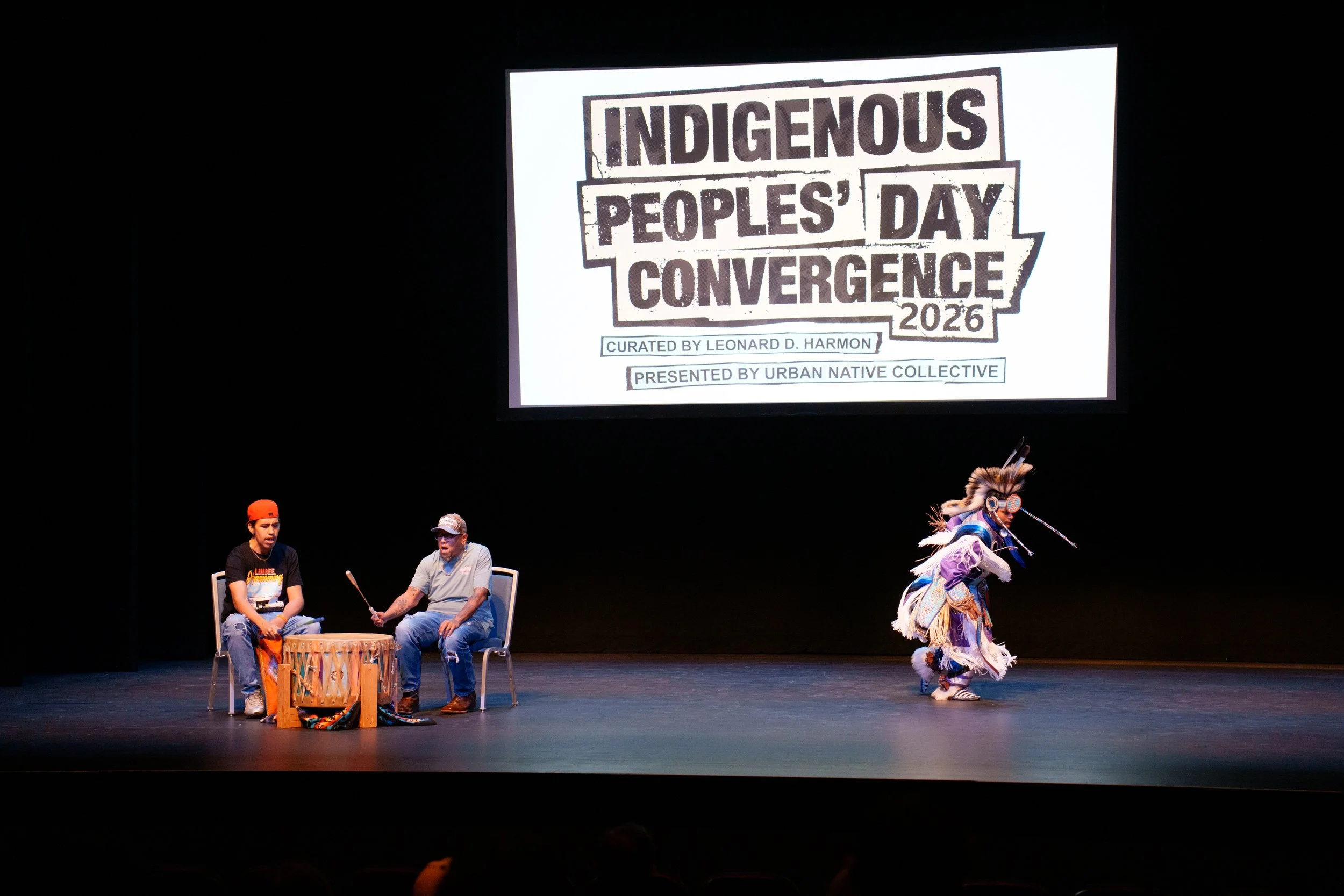
Urban Native Collective (UNC) recently hosted its 8th annual Indigenous Peoples' Day Convergence, bringing together more than 1,400 local community members from across Cincinnati to enjoy contemporary art, film, music, and dance. As UNC's biggest event of the year, this four-day event has become a key part of its civic engagement work. They share voter registration resources and tools each day to help the community participate meaningfully in the upcoming election. This year's theme was an indigenized punk aesthetic, which became central to their messaging.
"We want to break from these political norms that we so often get wrapped up in and use our voice to speak truth to power," says Briana Pocaigue Craig Mazzolini (Tugong Clan of the CHamoru People), UNC's Executive Director.
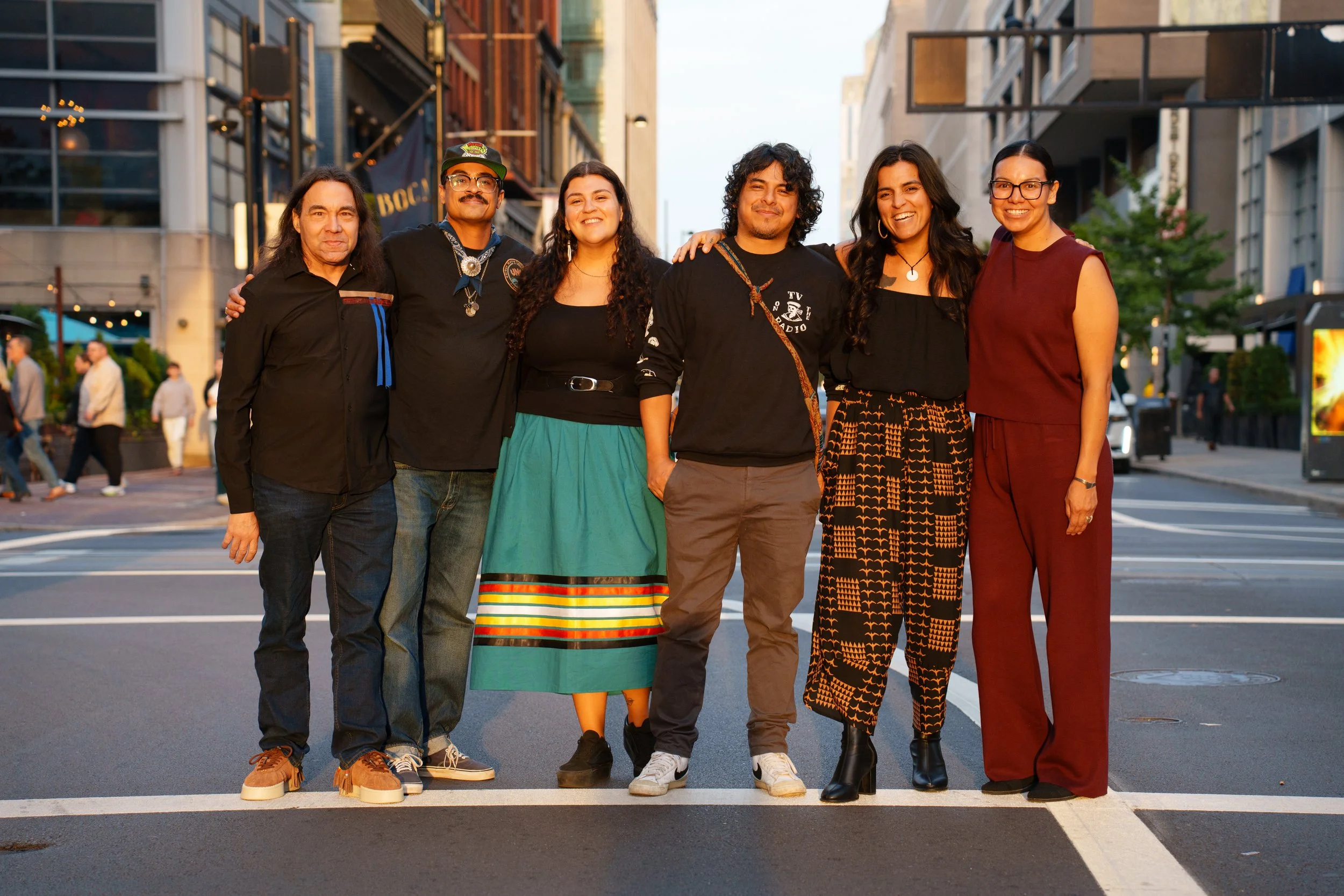
"We know people are exhausted; it's been hard seeing their votes not be reflected. The Convergence is that chance to motivate people about how much power we have."
The Convergence also lets UNC connect with non-Native community members, helping them increase their presence in the city and educate people about Ohio's fraught relationships with Native communities. They also support local artists by helping them share their work and grow their audience.
UNC also coordinates dedicated times to vote as a community, using Ohio's different early voting options to make it easier. These events bring voters to their County Board of Elections before Election Day to cast their ballot, so they won't need to find their polling location and wait in line on November 3rd.
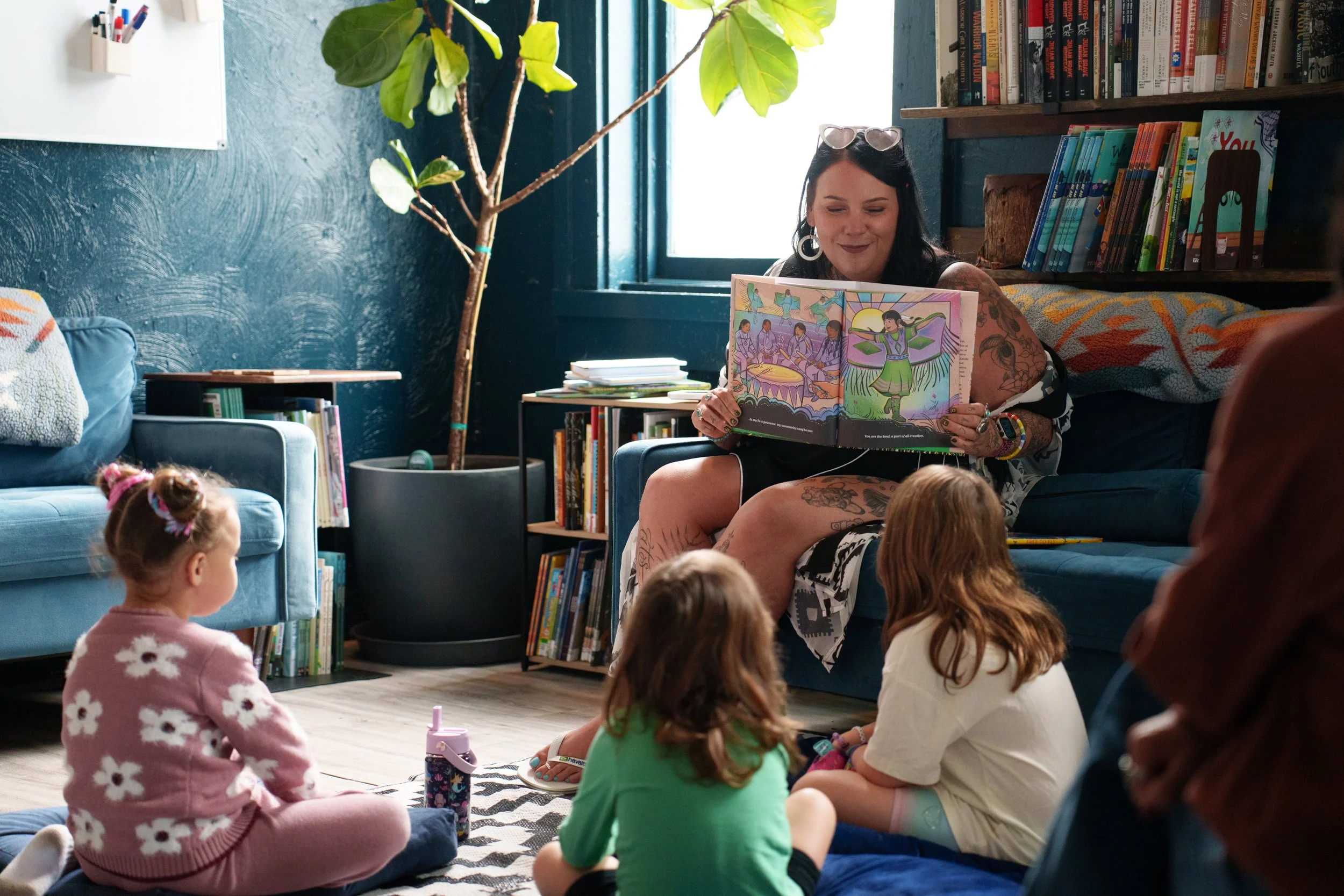
They've also built civic engagement into their recurring monthly programming, such as fitness events, community conversations, and storytelling at their offices. Podcasting is also a key part of their civic engagement strategy, with many of their Life on the Margins episodes featuring election stories or guests with backgrounds in civic engagement.
"Sometimes it's about reinvisioning and rewriting something brand new, and sometimes it's about reflecting on what we've already done and how we can frame it to keep people motivated," says Mazzolini.
Native American House Alliance Hits The Ground Running
Stepping into Democracy is Indigenous electoral work for the first time; the Native American House Alliance (NAHA) is showing Philadelphia just how powerful the urban Native community is. While the organization has a long history of work in Philly, this is its first time doing dedicated get-out-the-vote work for an election.
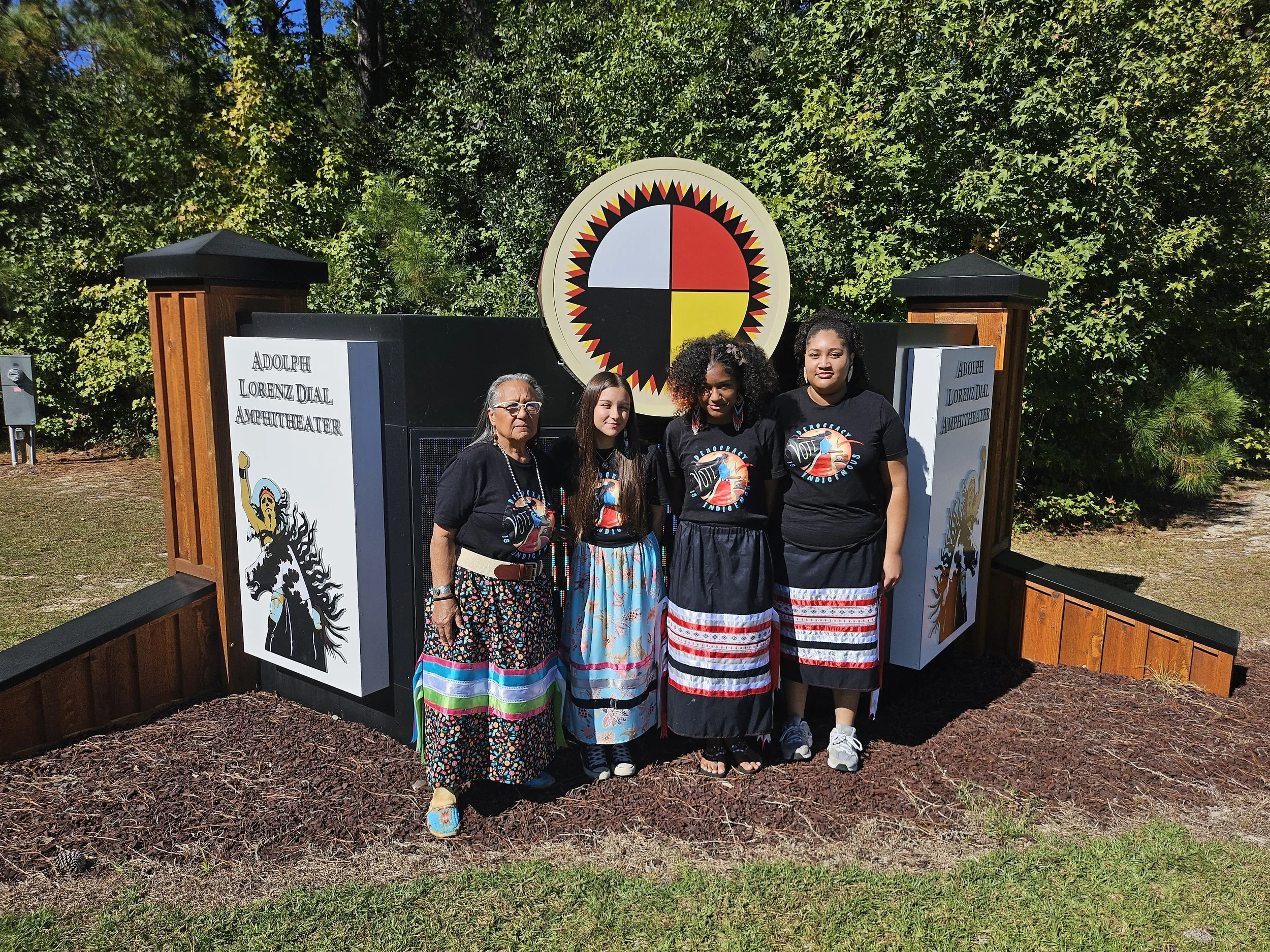
"We don't want to be left in the background; we are here, and we want to be seen," says Cornelia Dimalanta (Lumbee), NAHA's Director. "Any place or event that we think will have a big group of people, we are reaching out to say that we want to help and talk about our work."
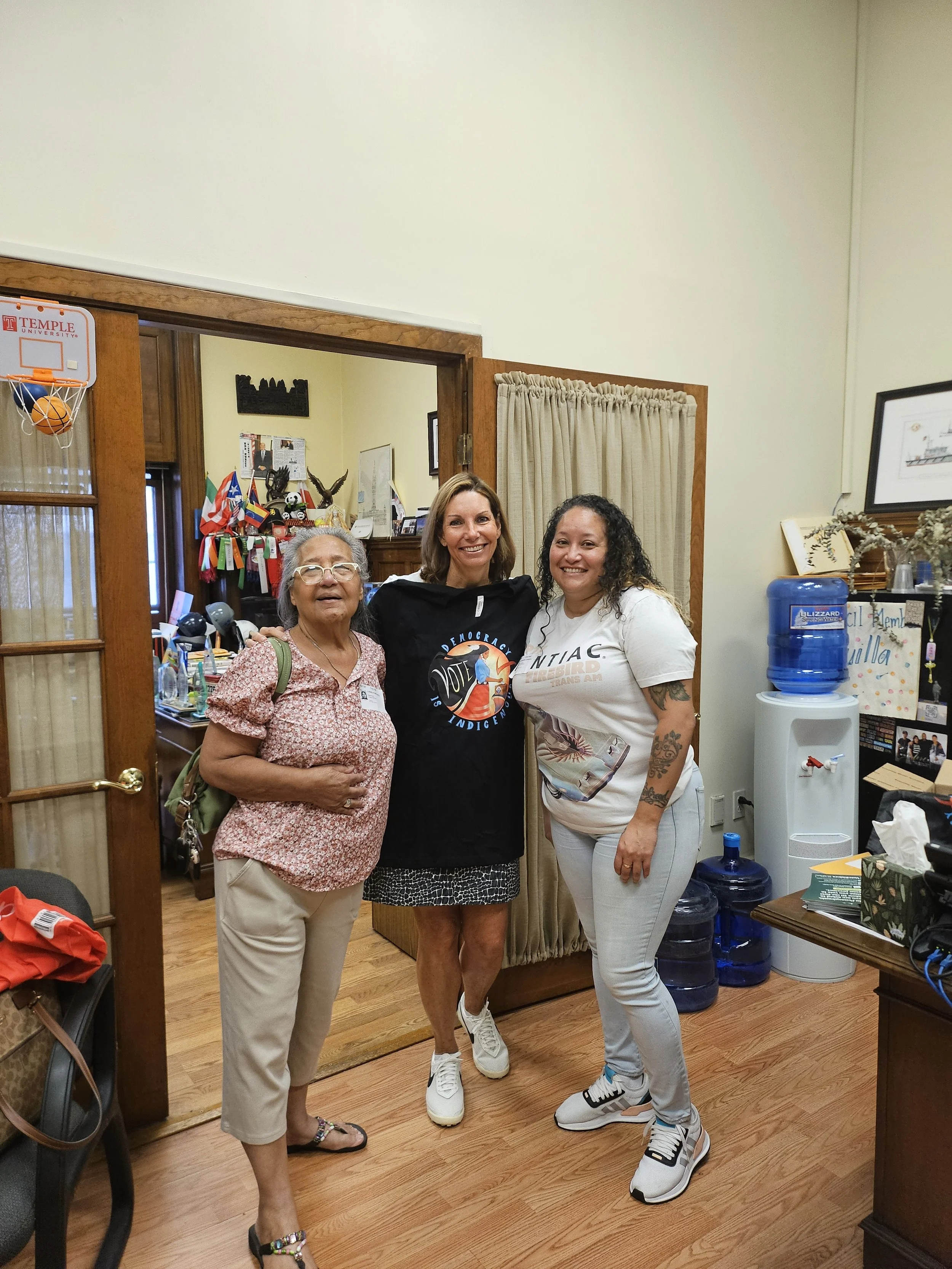
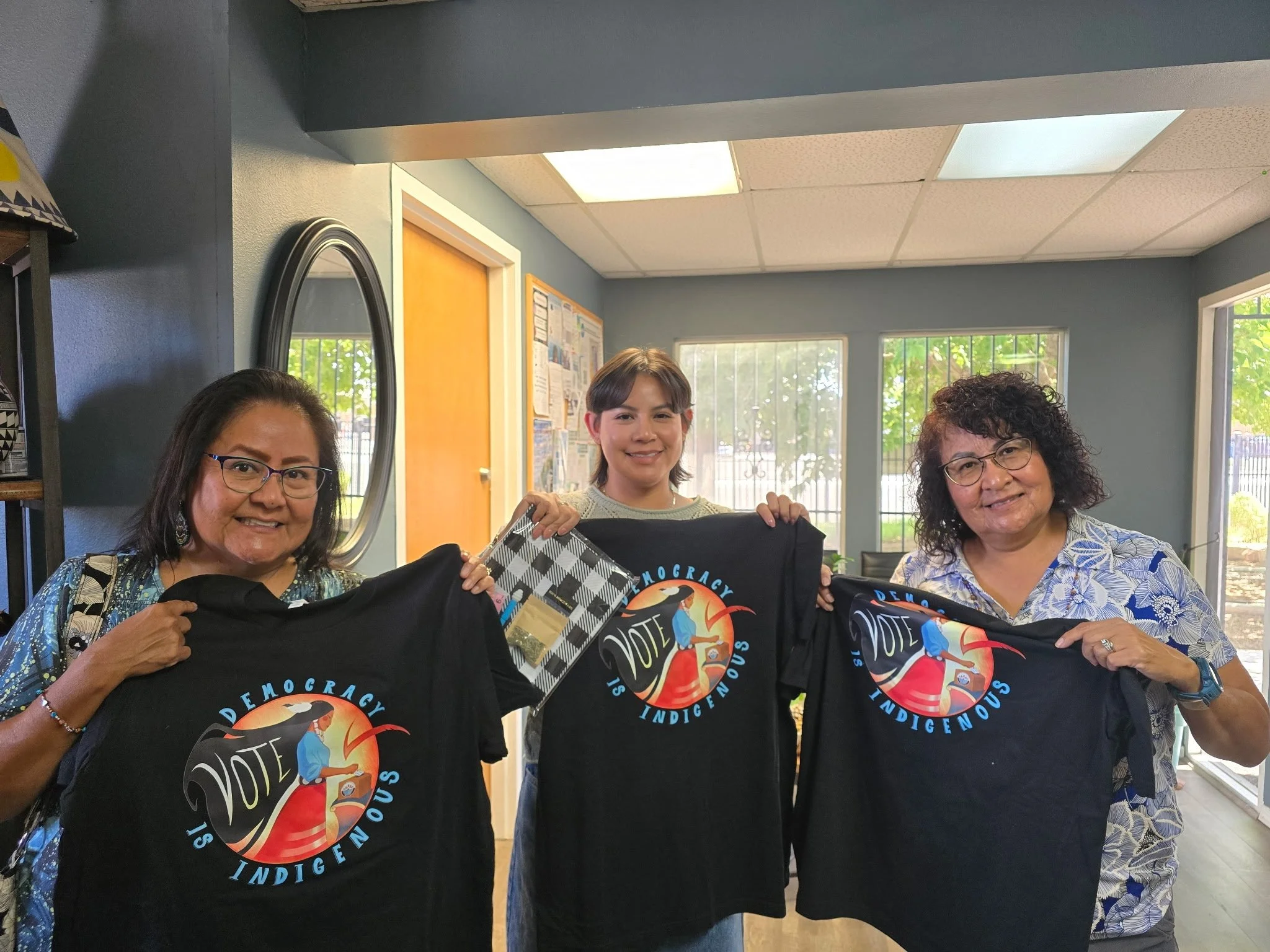
NAHA brings Democracy is Indigenous swag and voter information to different events around the city. They've also begun to visit local elected officials' offices to drop off these materials and introduce themselves. This has helped them build their own notoriety while also ensuring these offices know Democracy is Indigenous and can use the swag to help people register.
NAHA is also pushing to create a Native American commission, a formal working group with the City of Philadelphia. It's sorely needed, as Natives are one of the few communities without one, meaning they lack a seat at the table and are often overlooked in funding and policy discussions. NAHA's civic engagement work is helping address this by building relationships with lawmakers who control that process and educating people about the often-forgotten history of Native people in Pennsylvania.
Pennsylvania has no federally recognized tribes, which can lead people to think there are no Natives in the area. This is not true, with Natives from tribes all around the country calling Philadelphia home. In the 1950s, there was a push to bring Natives into the city, which led to a large Native community that has been in the city for a while, according to Dimalanta. This is a common story of Native communities on the East Coast, where they are often forgotten and overlooked.
NAHA focuses on combating this oversight by being in the community as much as possible.
"Everything we hear about or someone tells us about, we take and run with it,' says Dimalanta. "We want to address people head on, since we know people don't feel like their vote counts. We are telling people, if you want to change things, you'll have to do it yourself. Your vote is how we will change it."
A National Spotlight Focuses On Michigan
As the largest city in one of the most-watched states in 2026, the North American Indian Association of Detroit (NAIAD) is mobilizing its community around the election. In a state flooded with political ad spending and national coverage, NAIAD needs to talk with its community and leverage its role as a trusted messenger.
"We have so many people whose first reaction when we approach them about this stuff is to talk about how it doesn't affect them," says Travis Schuyler (Oneida/Ojibwe), NAIAD's Program Manager. "It's our job to remind them how these decisions and challenges we're facing are connected and that they need to be in the game if they're going to complain about what is happening."
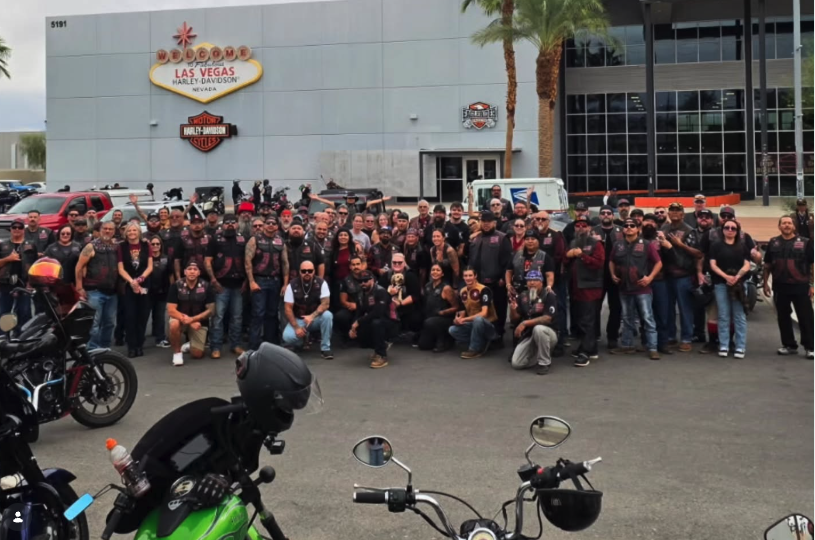
One of the key platforms of NAIAD's work is relationship building. They've begun holding regular meetings with different members of the Michigan state legislature, like State Representative Stephanie Young and State Senator Dayna Polehanki. Community members are able to meet these elected officials and see how the people they're actually voting for are working to support the community.
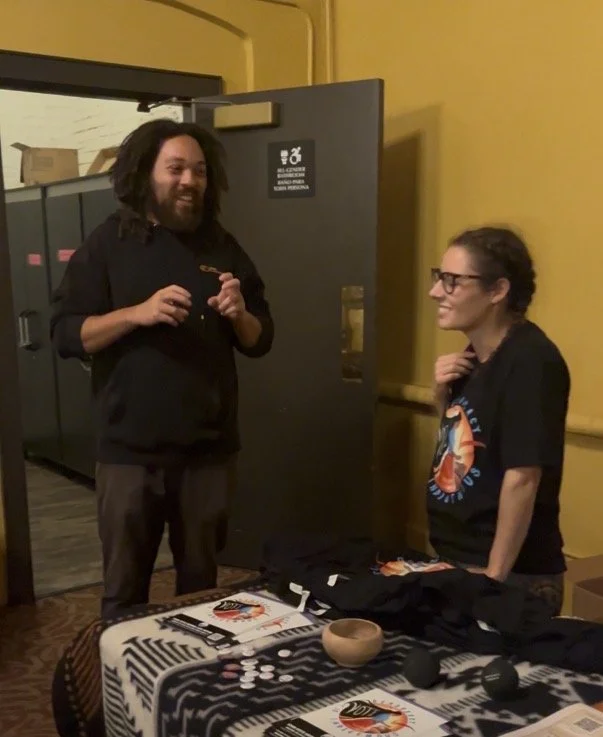
Michigan also has a rich Pow-Wow tradition, which NAIAD uses to help promote their Democracy is Indigenous work to great effect. Throughout the summer and the fall, their staff will be attending events, handing out voter information and materials, and helping people register and create vote plans.
NAIAD is also looking to partner with Native organizations across the state to amplify their work in cities outside Detroit. This work is critical to boosting statewide numbers, as they have one of the country's pivotal Senate races.
"It's about casting a wider net," says Schuyler. "We know how much power the Native vote can have, so we want to harness that and make sure people are ready to vote."
Building Voting Plans to Boost Turnout in Tacoma
The Tahoma Indian Center takes its role as a community pillar seriously, helping urban Natives in Tacoma for over 30 years. They offer an array of programs and have integrated Democracy is Indigenous into them, but want to ensure people take that final step of casting their vote.
"We want to have those conversations with people that get their ballots, let's review this, fill it out, and get it to the dropbox," says Colette August (Tla’amin First Nation), Executive Director at Tahoma Indian Center. "We know we have people who get that ballot and just forget to drop it off since they have so much going on.”
Tahoma Indian Center hosts quarterly health sovereignty events, where they address the challenges people are facing with cultural knowledge and indigenous values. This fits well with their civic engagement work, as it highlights how mobilizing and building community power can improve access to valuable resources to help improve people's health.
They also host monthly culture nights, where people eat, bead, and carve. They'll also help attendees register to vote or fill out their ballots when they visit. They'll also coordinate the drop-off of those ballots, often to the Puyallup tribe nearby, which has a secure drop box.
To bring out more people, Tahoma Indian Center is planning a screening of the movie "Seeds," a new movie about a Mohawk woman returning home to housesit for her cousin while her family is out of town, only to have to battle someone who is trying to steal crops. The film stars Dallas Goldtooth, who recorded a statement for the screening. Afterward, there will be a panel discussion about food sovereignty. Attendees will be provided voter registration cards and asked to check their registration as they arrive.